The Olufi of Gbonganland
At the heart of Gbongan's traditional identity is the institution of the Olufi, the traditional royal throne of the town. The Olufi represents an enduring connection between the community's ancestral heritage, traditional leadership and the generations that continue to shape Gbonganland.
The institution remains an important part of the town's identity, providing a focal point for the preservation of its customs, history and traditional values.
The Present Olufi
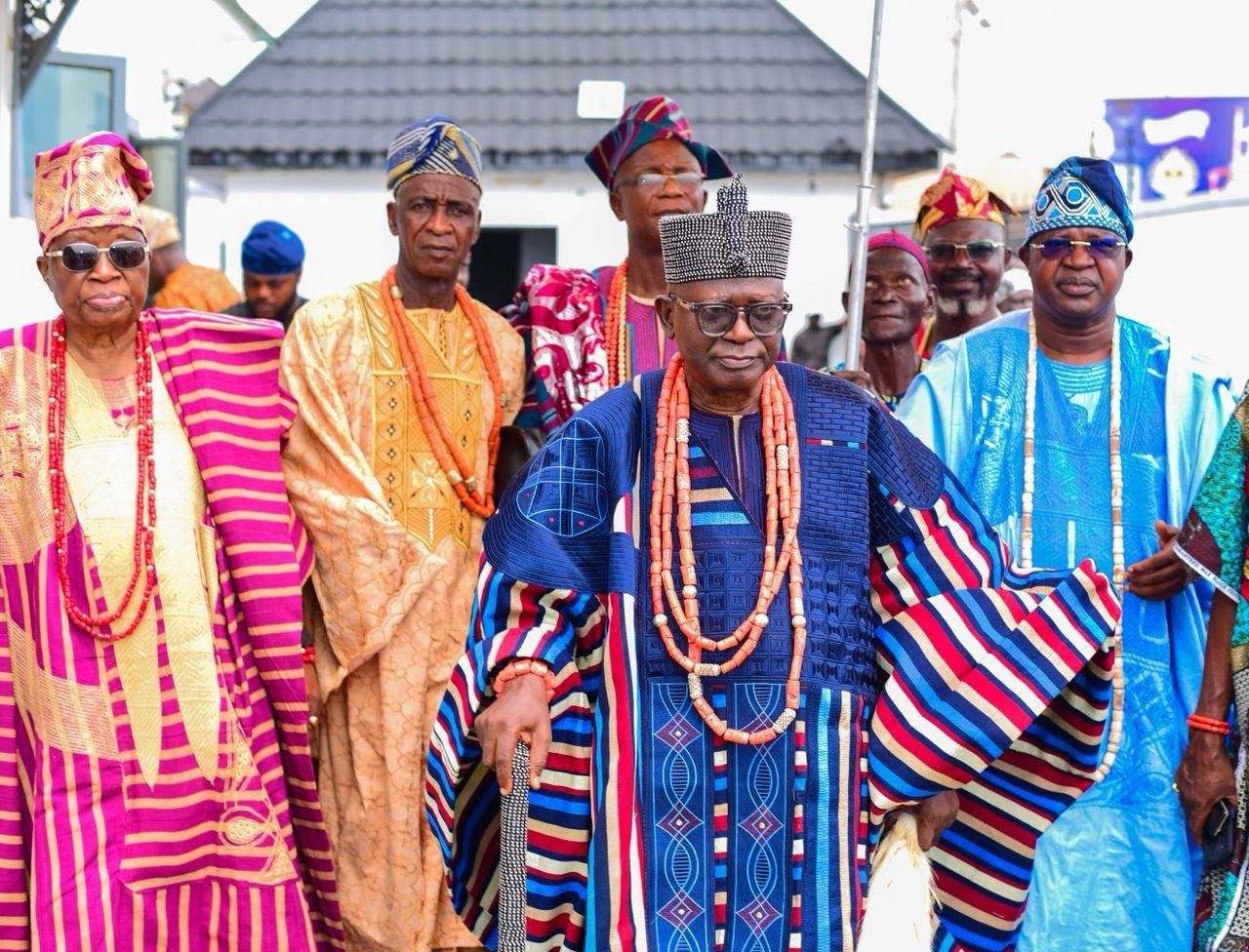
The present occupant of the Olufi throne is identified in contemporary public reporting and the 2026 celebration notices as HRM Oba Dr. Adetoyese Oyeyini, Odugbemi I, the Olufi of Gbonganland.
Public reports indicate that he ascended the throne in November 1998. His 25th coronation anniversary was marked in November 2023, reflecting more than two decades of his association with the royal institution.
The Olufi occupies a significant position in the cultural and traditional life of Gbongan, representing the continuity of the royal institution and its connection with the people.
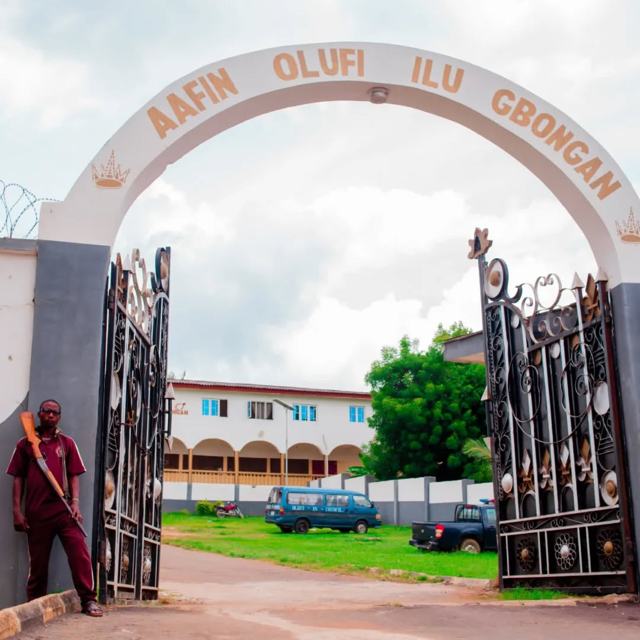
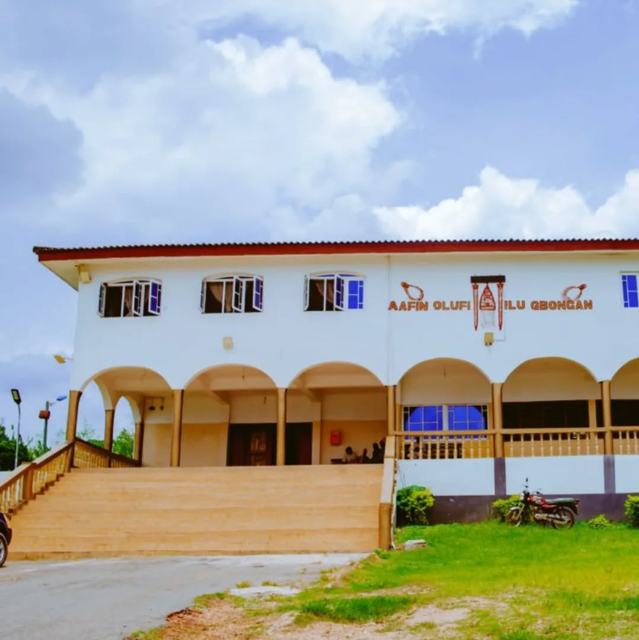
The Aafin Olufi: The Royal Palace
The Aafin Olufi, meaning the palace of the Olufi, is an important landmark of Gbongan's traditional heritage.
The palace is more than a royal residence. It represents the historical presence of the traditional institution and serves as a visible symbol of the throne's place in the identity of Gbonganland.
The palace entrance bears the inscription:
"Aafin Olufi Ilu Gbongan"
This inscription identifies the palace with the Olufi and the town of Gbongan.
Through its physical presence and association with the traditional throne, the Aafin remains an important part of the community's cultural landscape and royal identity.
The Role of the Olufi Institution
The traditional institution is an important part of Gbongan's cultural and community life.
Its significance extends to:
- Preservation of heritage: Sustaining the customs, traditions and historical identity associated with Gbonganland.
- Traditional leadership: Providing continuity within the town's established royal institution.
- Community identity: Serving as a symbol of belonging and shared heritage for the people of Gbongan.
- Cultural continuity: Connecting present and future generations with the traditions and history of their ancestors.
- Community engagement: Providing an important traditional institution around which community celebrations and heritage activities are organised.
Successive Olufis and the Royal Lineage
The history of the Olufi throne is closely connected to the development and continuity of Gbonganland.
Across generations, successive occupants of the throne have formed part of the town's royal history. Preserving their names, reigns and historical contributions is important to documenting the development of the traditional institution.
An authoritative, Palace-certified historical register of all past Olufis is still being established. We are committed to documenting this history carefully, using reliable historical records, family accounts and confirmation from the Palace.
Preserving the Royal Heritage
The Olufi institution and the Aafin are important parts of Gbongan's heritage. Their history deserves to be documented and preserved for generations to come.
Through Gbongan Olufi Day and this digital heritage platform, we celebrate the traditional institution, recognise its place in the identity of our community and encourage younger generations to understand and appreciate their roots.
The story of Gbongan is inseparable from the heritage of its people and the continuity of the Olufi throne.
Source note Public-source review, 11 November 2026; contemporary reporting and 2026 Olufi Day notices. Accession and anniversary information attributed to press coverage. Official royal name, titles, biography and historical succession records require Palace confirmation.